

Gregg Smith Ford Lincoln - Which truck tows better for lake trips and job sites near Warrensburg, MO — the 2026 Ford F-150 or the 2026 Ram 1500?
If you are comparing half-ton pickups for real-world towing near Warrensburg, MO, one question rises to the top: which truck makes pulling boats, campers, and equipment feel easier and more confident day after day? This guide focuses on towing performance and the technology that supports it, analyzing how engine choices, chassis tuning, and trailer-assist features translate into less stress in your driveway and more stability on the highway. While both trucks bring serious capability, the Ford approach concentrates on maximum numbers and user-friendly tools that solve the trickiest parts of towing—especially lining up a hitch, managing sway, and backing precisely down a narrow ramp.
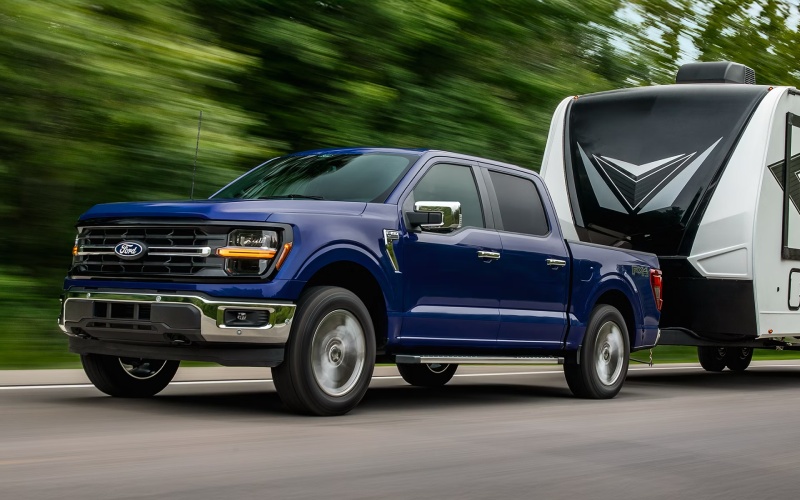
On paper, the F-150 posts a higher available tow rating—up to 13,500 pounds with the right configuration—compared with a maximum 11,610 pounds for the Ram 1500. That gap matters if you are planning to grow into a heavier boat or move between open-deck equipment trailers and enclosed loads. Just as important, Ford’s engine roster gives you multiple ways to reach your target: the 3.5L EcoBoost® V6 for the highest available rating, the 5.0L Ti-VCT V8 for classic low-end grunt, and the 3.5L PowerBoost® Full Hybrid V6 for a balance of electric-assisted torque and confident tow manners. Ram counters with Hurricane turbocharged sixes and a HEMI® V8 option that deliver strong acceleration, but their peak tow number falls short of Ford’s benchmark.
How towing tech changes the experience
Numbers get you in the ballpark; technology helps you make the play. F-150’s available Pro Trailer Backup Assist™ and 360-Degree Camera simplify tricky maneuvers. Instead of countersteering and guessing, you use a dial and on-screen cues to guide the trailer exactly where you want it. Available hitch guidance overlays make lining up solo feel routine, not tense. Ram brings helpful towing technologies too, including available trailering cameras and assist features, yet Ford’s trailer-backup interface tends to reduce the learning curve more dramatically for new haulers.
Ford integrates towing into its safety systems as well. Available Blind Spot Information System with Trailer Coverage extends alerts the full length of the trailer—useful when changing lanes with a long load. Pair this with an available integrated trailer brake controller, and you can fine-tune braking force without adding aftermarket hardware. These touches add up to smoother, more predictable control when you’re navigating traffic or descending a long grade with your family onboard.
Engine choice and gearing: setting up for your trailer
Selecting the right engine and axle ratio is as important as the tow rating itself. If your load varies—say, a 22-foot fiberglass boat one weekend and a dual-axle equipment trailer during the week—the 3.5L EcoBoost® V6 in the Ford portfolio offers a generous torque curve and the highest available tow number to keep everything inside the comfort zone. If you regularly tow but don’t need the absolute maximum, the PowerBoost® Full Hybrid V6 is a compelling middle ground: quiet at idle, muscular at launch, with the benefit of Pro Power Onboard™ to run tools or charge batteries at the marina or worksite without a separate generator humming.
Ram’s Hurricane engines are impressive performers, especially off the line, and the HEMI® V8 returns for shoppers who prefer a traditional eight-cylinder feel. If your trailer is mid-weight and your routes are short and local, the Ram may meet your needs. But for those wanting room to grow—heavier campers, longer boats, or more frequent highway tows—the Ford ecosystem still provides the broader ceiling and more comprehensive towing feature set.
What matters at the ramp and the yard
Beyond the tow rating, consider how each truck helps with the “fiddly” jobs. F-150’s Pro Access Tailgate swings out 100 degrees, keeping the tailgate functional even when hitched. That’s incredibly handy when you need to reach tie-downs or a cooler at the ramp without unhooking. The available 360-Degree Camera can show a top-down view with hitch lines, and the bed’s available power outlets via Pro Power Onboard™ turn the truck into your power source for winches, lights, or battery chargers. Ram counters with helpful bed features of its own and multiple camera angles, but Ford’s generator-style bed power and swing-gate tailgate unite to streamline the moments when you’re busiest—positioning, loading, and securing.
- Maximum tow rating: Ford reaches up to 13,500 pounds when properly equipped, leaving more headroom for heavier boats or campers down the road.
- Trailer-assist tech: Pro Trailer Backup Assist™ and 360-Degree Camera make lining up and backing simpler, ideal for tight ramps or crowded storage yards.
- Work-ready utilities: Pro Power Onboard™ can run tools, charge batteries, or power lights without hauling a separate generator.
Setting expectations for your routes around mid-Missouri
Central Missouri towing often means variable surfaces—smooth highway one minute, gravel or uneven ramps the next. That’s where a composed chassis and helpful drive modes earn their keep. F-150’s selectable drive modes can tailor throttle and transmission behavior for slippery surfaces, while available Trail Control® helps maintain a steady crawl on loose terrain near lake access points. Ram brings poised on-road manners and confident acceleration, but Ford’s emphasis on drive-mode depth and trail aids can reduce wheelspin and stress when grip is inconsistent.
Finally, think about what your Saturdays look like. If you spend time between a yard full of equipment, a storage lot, and a lake ramp, Ford’s combination of high tow rating, intuitive trailer tech, and built-in power utilities is tough to beat. If your towing is lighter and more occasional, either truck can do the job; the Ford simply gives you more room to expand into bigger adventures or heavier work without changing trucks.
Frequently Asked Questions:
Can I tow a 10,000-pound camper with either truck?
Yes. Properly configured, both trucks can handle a 10,000-pound trailer, though the Ford leaves additional margin above that weight, which can translate to more relaxed highway passing and grade climbing.
Is a hybrid powertrain good for towing?
In the Ford, the full-hybrid PowerBoost® setup pairs electric assistance with a turbocharged V6 to deliver strong low-end torque and quiet operation, plus the benefit of Pro Power Onboard™ for worksite or campsite power.
What trailer tech reduces stress the most?
For many drivers, Ford’s Pro Trailer Backup Assist™ is the single largest stress reliever because it simplifies backing maneuvers. Combined with a 360-Degree Camera and hitch guidance lines, it can make solo hook-ups routine.
Ready to test the differences in person? Gregg Smith Ford Lincoln is serving Warrensburg, Sedalia, and Warsaw with side-by-side demos, hitch guidance walk-throughs, and thoughtful questions that match you to the right configuration the first time.
Request more 2026 Ford F-150 information
Categories:
Ford F-150