


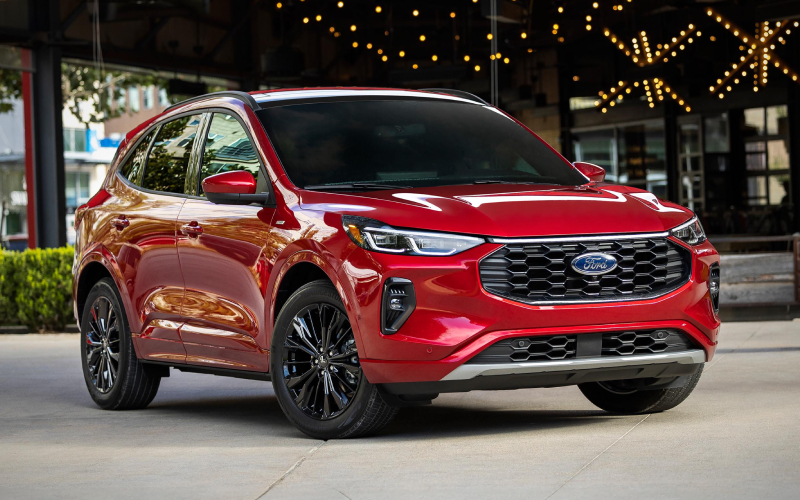
Gregg Smith Ford Lincoln - Can the 2026 Ford Escape Plug-In Hybrid cover most daily driving on electric power around Warsaw, MO?
For many shoppers, the appeal of a plug-in hybrid SUV comes down to a single question: will it handle the bulk of my daily driving on electric power? With the 2026 Ford Escape Plug-In Hybrid, the answer depends on your routine, but the technology and design make it impressively achievable for commutes and errands around Warsaw, MO.
Because the Escape PHEV uses a larger battery than the standard hybrid, you can plug in at home and leave each morning with charge on board. Around-town driving often means lower speeds, predictable routes, and frequent stops—ideal conditions for electric operation. The Escape PHEV is designed to use its electric motor for these lower-speed, shorter-distance trips, then blend gasoline power as needed or switch to hybrid mode once you have used the available battery range. The best part is that it all happens without fuss. You simply drive, and the powertrain manages the handoff seamlessly.
How home charging fits daily life
Charging at home is the simplest way to unlock the PHEV’s strengths. With a standard household outlet, you can typically add plenty of range overnight. If you install a Level 2 home charger, you will reduce charging times further and create a consistent routine—plug in when you get home, and the Escape is ready for your morning drive. In and around Warsaw, daily loops that include the grocery run, school pickups, and a quick hop onto MO-7 or US-65 for a few miles are prime territory for electric-first operation.
For residents in neighboring communities, the approach is similar. Keep the PHEV charged for short commutes and regular errands; when you need to go farther—to visit family, head to work sites, or plan a weekend at Truman Lake—the Escape simply operates like a hybrid once you use the stored electric energy. You do not have to change your plans or route; the vehicle handles the powertrain transitions for you.
Driving modes that make sense
The driving modes are straightforward and align with real-world use. Auto mode manages everything for you, prioritizing electric operation whenever appropriate and blending in the gas engine as needed. You can select an EV-preferred mode for local loops or an engine-hold mode to save charge for a specific portion of your drive—useful if you want to handle the last few miles near home electrically. This flexibility helps shoppers squeeze the most electric miles from their routine without overthinking the process.
Just as important, the Escape remains a comfortable SUV regardless of mode. Reviewers have consistently praised its smooth ride quality and easygoing demeanor, which means you will not sacrifice comfort while maximizing electric driving. The cabin is quiet, and the hybrid system’s transition points feel natural compared with many competitors.
Tech and safety that support the commute
Inside, wireless Apple CarPlay and Android Auto make it simple to start your day with navigation, podcasts, and playlists—no cord required. The available B&O audio system delivers surprisingly rich sound for the class, and the interface responds quickly. As you cruise along MO-7 or roll through downtown stops, driver-assist technology adds confidence without distraction. Lane centering assistance is particularly well tuned, helping you stay steady in your lane on longer stretches. Blind Spot monitoring and Pre-Collision Assist with Automatic Emergency Braking provide helpful backup in busy parking lots and during sudden slowdowns.
These systems matter for PHEV shoppers because electric driving often occurs in town, where situational awareness can be tested by stop-and-go traffic and frequent lane changes. The Escape’s tuning avoids the “ping-ponging” effect some vehicles exhibit, so support feels steady and predictable.
When a plug-in hybrid is the right fit
Think about your weekly rhythm. If your travel typically clusters into short drives, the Escape PHEV can soak up a large portion of your miles on electricity—especially with consistent home charging. And unlike a full battery-electric vehicle, the plug-in hybrid format keeps your options wide open for longer trips, with refueling as easy as a quick gas stop. For many shoppers, this “best of both worlds” layout brings peace of mind along with the satisfaction of using far less fuel Monday through Friday.
- Daily distance: If your typical round trip fits comfortably within the PHEV’s electric range, you will likely drive mostly on battery power during the week.
- Home charging: Overnight charging on a standard outlet usually covers the next day’s errands; a Level 2 charger adds speed and convenience.
- Mixed routes: For occasional longer drives, the Escape automatically operates as a hybrid—no planning headaches or range anxiety.
- Comfort and tech: Smooth ride quality, wireless smartphone integration, and available premium audio make every drive feel easy.
If you are still weighing hybrid versus plug-in hybrid, it helps to map your routine. Jot down your common routes for a week, including any detours. Then consider how often you can plug in at home. With those answers, you will have a clear picture of how much of your driving can go electric—and how quickly the Escape PHEV will pay you back in fewer fuel stops.
What about charging away from home?
Public Level 2 chargers are increasingly common at grocery stores, parks, and shopping areas. While the Escape PHEV does not depend on public charging, taking advantage of a charger while you are already parked can extend electric miles. In practical terms, you might arrive at the store with half a battery, plug in for 45 minutes, and leave with enough charge to finish the day’s errands on electricity. It is not essential, but it is a helpful bonus when available.
For drivers who prefer to “set it and forget it,” the Escape’s automatic hybrid operation is the safety net. Even if you do not plug in for several days, it still behaves like a traditional hybrid—quiet, easygoing, and efficient in mixed driving. That flexibility is a major reason many shoppers gravitate to the plug-in format.
Frequently Asked Questions:
Do I need special equipment to charge at home?
No. You can use a standard household outlet to charge overnight. Installing a Level 2 home charger reduces charging time and adds convenience, but it is optional.
Will cold or hot weather affect my electric driving?
Extreme temperatures can influence any battery’s efficiency. The Escape PHEV intelligently manages thermal conditions to maintain performance, and its hybrid mode ensures you always have seamless gas-electric power available.
How does the Escape PHEV drive once the battery is used?
It transitions into hybrid operation, blending the gas engine and electric motor for smooth, efficient driving—no input required from you.
Is the plug-in hybrid a good fit for rural routes and occasional highway trips?
Yes. Use electric power for daily local driving and rely on hybrid operation for longer highway segments. The driver-assist features and smooth ride make rural two-lane stretches and multi-lane highways feel equally manageable.
If you are exploring whether a plug-in SUV is right for your life, this model makes the case simple: charge when it is convenient, enjoy electric miles around town, and keep your options open for road trips. Gregg Smith Ford Lincoln is proud to support drivers across our region—serving Warsaw, Harrisonville, and Butler—with clear guidance on charging, trims, and test drives tailored to your routine. When you are ready, bring your daily route notes, and we will help you map the ideal configuration for your lifestyle.
*Vehicle images and features shown are for illustration only and may vary by trim and option.
Request more 2026 Ford Escape information
Categories:
Ford Escape